FTC Cracks Down on Fake Reviews
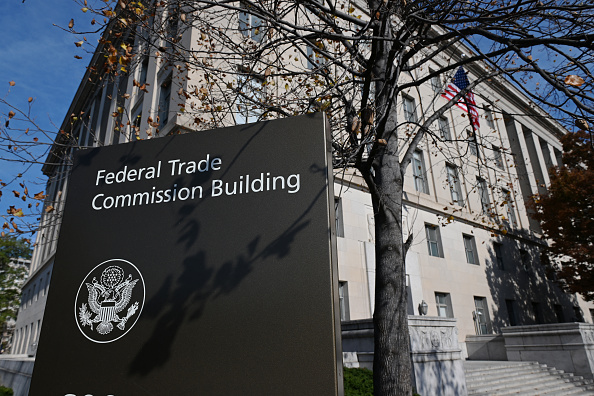
Online reviews have become a valuable tool for consumers to assess a product or service before buying. Because of their power, there’s been an influx of bad practices in online reviews. Some examples include compensating people for glowing reviews, suppressing negative reviews, and writing outright fake reviews. These are clearly not in the best interests of the public. And authorities have taken notice.
The Federal Trade Commission (FTC) announced a proposed rule in 2023 intended to combat these practices. The final rule came down in August of 2024 outlining six areas of new regulation.
Law firms rely largely on reviews to bring new clients to their business. It’s therefore important to ask how the FTC ruling might impact lawyer marketing and how attorneys can stay on the right side of the FTC.
Why Did the FTC Propose the Rule?
Back in 2022, the FTC started to look at fake, misleading, or hijacked reviews as an issue of deceptive consumer practice. The Commission outlined a number of specific concerns:
- Reviews by people who don’t exist
- Reviews by people who didn’t use the product or service
- Marketers compensating people to write positive or negative reviews
- Company officers writing reviews of their own products or services
- Employees or family members of company officers writing reviews
- Review websites that claim to be independent but are created and controlled by the companies whose products and services they review
- Suppression of negative reviews
- Misrepresentation of positive reviews as representing the majority of reviews
- Selling or buying indicators of social media influence
This is a long list, but it is intuitive for most consumers. The gist of the FTC’s concerns were that reviews should be authentic, unbiased, and representative of the consumer experience. If they are not, they should be outlawed.
What Were Some Concerns Heard by the FTC?
During the comment period, the FTC heard from major review websites like Yelp, Google, and TripAdvisor, who expressed support for some form of civil penalties or rulemaking. Amazon and TrustPilot gave feedback but remained neutral on their support for or opposition to the rules.
Individual consumers and small business owners also gave feedback on the proposed rules. Some consumers said it’s hard to tell a real review from a fake review. A small business discussed the damage a negative review can do to a company. Overall, the FTC heard some firsthand anecdotes of the harmful effects of fake reviews.
What Practices Does the New Rule Prohibit?
The FTC ruling outlaws six specific practices:
- Fake or false consumer reviews or testimonials
- Buying positive or negative reviews
- Insider reviews and consumer testimonials
- Company-controlled review websites
- Review suppression
- Misuse of fake social media indicators
In essence the FTC’s final rule prohibits the kind of practices about which it had expressed concern during its comment period.
What Does This Mean for Lawyer Marketing?
Online reviews are essential to law firm marketing. However, ethical marketing practices have long been the norm within the legal industry. The American Bar Association (ABA) model rules already prohibit paying people for good reviews, or otherwise providing an incentive. It’s also against the existing rules of many third party review sites to compensate for or falsify reviews.
There might be other concerns lawyers have, specifically when it comes to using online reviews as part of a comprehensive marketing strategy. For example, does the recommendation from marketing experts to have reviews on multiple sites violate the FTC rules? Does partnering with a service that allows your client reviews to appear in multiple places online fall under the “company-controlled review websites” category?
It’s critical to note that the FTC rules have yet to be tested. Any analysis of what the rules might mean in practice is based largely on legal speculation and not any test cases.
However, there were several prior FTC cases that challenged the practice of companies setting up websites that claimed to independently review the company’s product and endorsing it. To the everyday consumer, it would appear that an independent body was making an objective endorsement when in fact it was the company itself.
Having reviews across several sites would not seem to be analogous to this practice. Further, the final FTC rule prohibits the misrepresentation of a website that it controls as offering independent reviews.
The critical aspect here is misrepresentation. If consumer reviews are genuine, uncompensated, and reflect the truth of a client’s experience, posting the same review on multiple sites does not violate the rule. At least not at first glance.
Law firms can do a “gut check” to determine whether their marketing strategies reflect ethical legal practice. In general, if reviews are sincere and there’s no quid pro quo, firms should be fine.
Grow Your Law Firm With Martindale-Avvo
Marketing strategies are essential for law firm growth. Getting guidance from marketing experts can help build your firm’s reputation. Contact us today to learn how we can help.